Lignin: Structure, Sources and Industrial Potential

Lignin is one of the most abundant natural polymers on Earth and a key structural component of terrestrial plants. Its aromatic network gives plants mechanical strength, resistance to degradation, and long-term stability within the natural carbon cycle.

What Is Lignin?

Lignin is a complex aromatic biopolymer found in plant cell walls. After cellulose, it is the second most abundant natural polymer in terrestrial biomass. It acts as a natural binder, holding cellulose fibers together and helping plants resist mechanical stress, microbial attack, and environmental degradation.

Because of its stable aromatic structure, lignin is increasingly viewed not only as a by-product of biomass processing, but also as a platform material for sustainable agriculture, environmental remediation, and bio-based industrial applications.
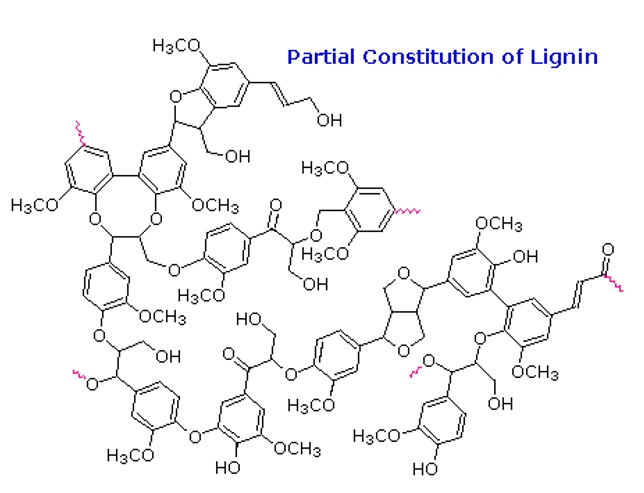
Lignin molecular structure placeholder
Lignin structure / aromatic network.

Lignin Content in Plant Biomass

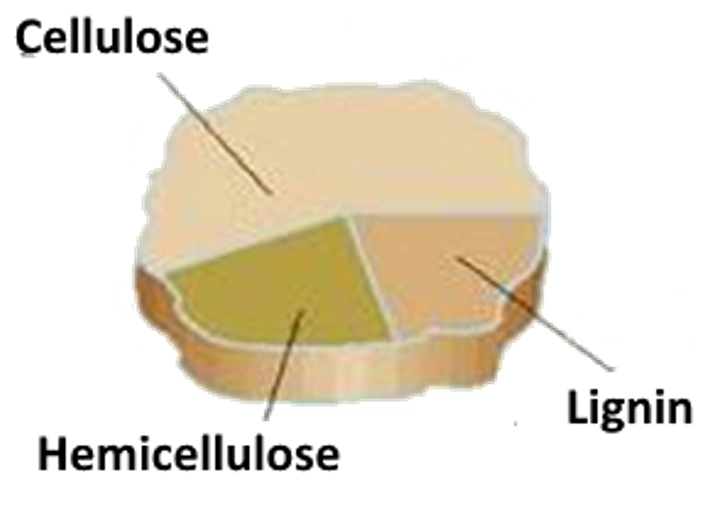
Plant biomass is mainly composed of cellulose, hemicellulose, and lignin. The relative amount of lignin depends on the type of plant material.

  • Coniferous wood: approximately 23–38% lignin
  • Hardwood: approximately 14–25% lignin
  • Agricultural straw: approximately 12–20% lignin

Within plants, lignin is located in cell walls and intercellular spaces, where it forms a rigid matrix that supports the plant skeleton and protects tissues against rapid breakdown.

Plant biomass composition placeholder
Biomass composition / lignin percentage in plant materials.

Industrial Types of Lignin

During industrial biomass processing, lignin can be isolated in different forms depending on the technology used.

  • Lignosulfonates — produced in the pulp and paper industry and typically water-soluble.
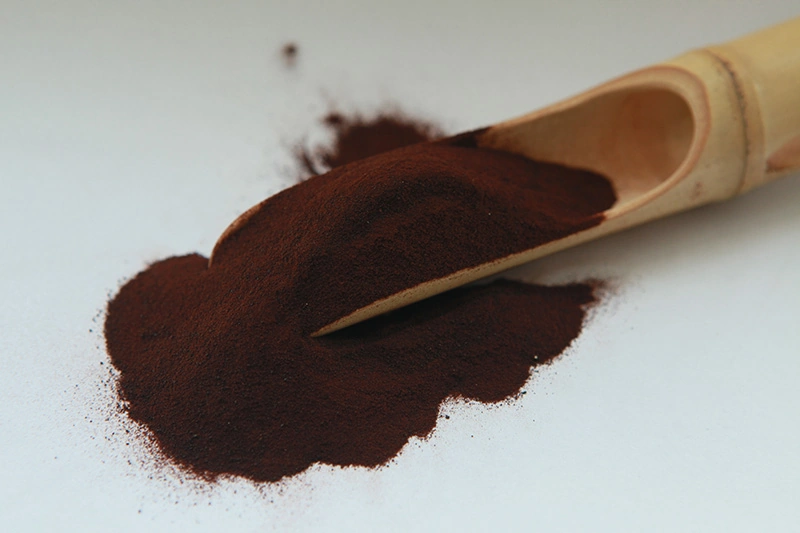
  • Hydrolysis lignin — formed during acid hydrolysis of plant biomass and largely insoluble in water.

Hydrolysis lignin retains structural features closer to natural plant lignin and is especially interesting for sorption materials, soil amendments, and lignin-based binders for advanced materials.

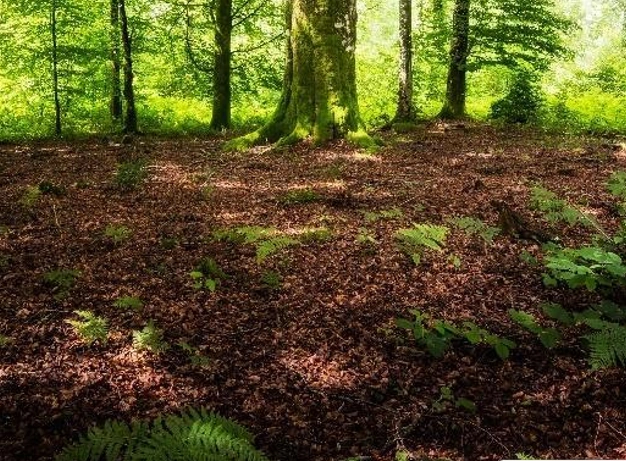
Forest biomass placeholder
Industrial ignin.

Lignin in Soil and Environmental Systems

In natural ecosystems, lignin is slowly decomposed by specialized fungi and microorganisms. This gradual breakdown contributes to the formation of humic substances that are essential for soil fertility.

Because lignin degrades more slowly than most plant organic matter, it can function as a long-term carbon reservoir in soils. Lignin-based materials can improve soil structure, support water retention, stabilize nutrients, and provide a favorable environment for beneficial soil microbiota.

Soil system placeholder
Humus / organic matter restoration.

Application Potential of Lignin-Based Materials

  • Soil amendments and organic-mineral fertilizers
  • Sorbents for water, air, and oil-contaminant removal
  • Activated carbon and carbon-rich porous materials
  • Additives for asphalt, concrete, and construction materials
  • Binders for briquettes, pellets, and composite materials
  • Platform material for advanced bio-based products

At Green Croc, lignin is viewed as a strategic raw material for the development of sustainable products in agriculture, environmental remediation, and industrial applications.

← Back to Home